
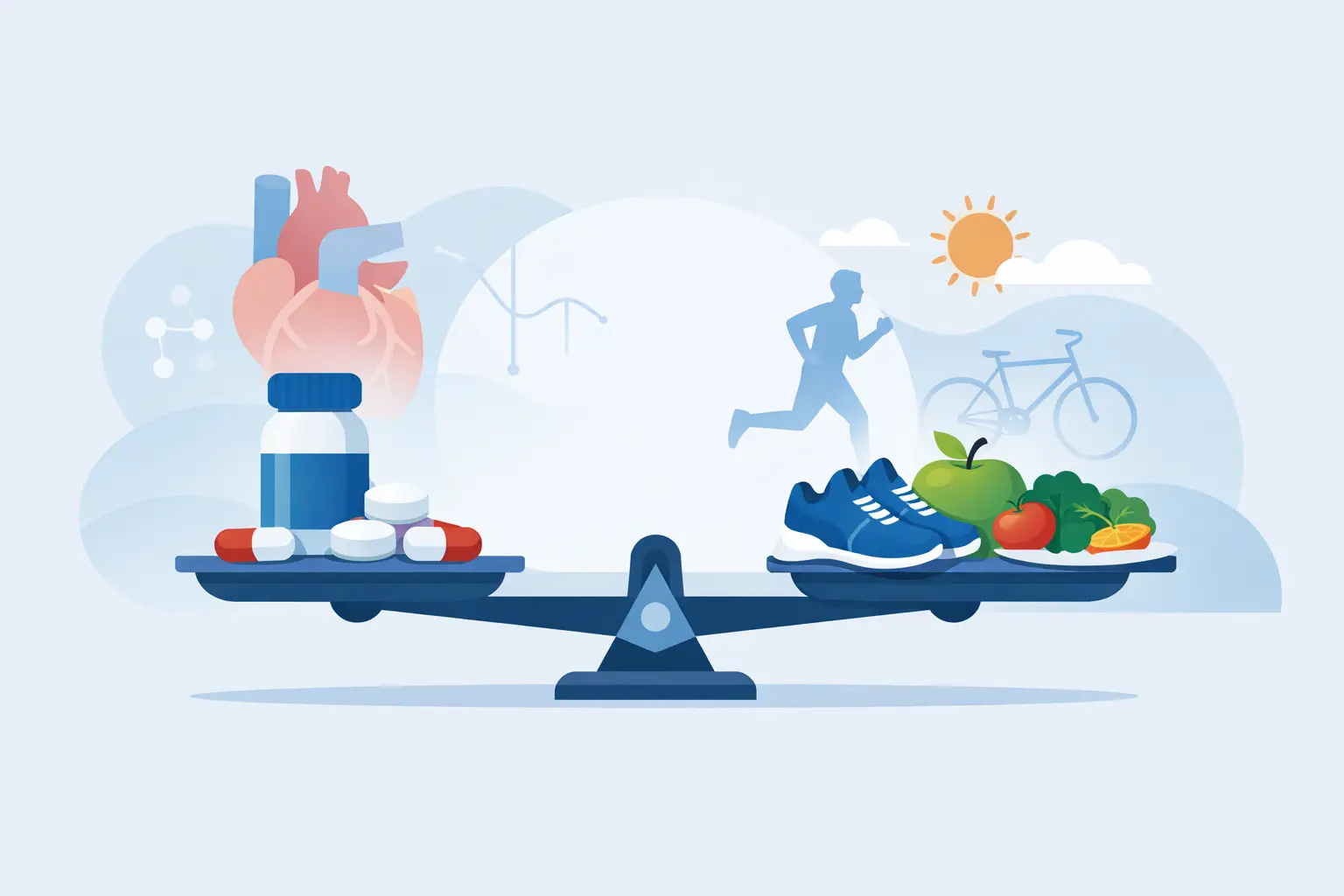
A cholesterol result can feel like a verdict: start a statin or fix your habits. But statins versus lifestyle changes is usually the wrong framing. For many people, the most effective plan is not an either-or choice. It is a decision based on LDL level, overall cardiovascular risk, family history, and what changes are realistic enough to sustain.
The goal is not simply to improve a lab report. It is to reduce the lifelong chance of heart attack, stroke, and artery disease while protecting energy, muscle, and quality of life.
Statins versus lifestyle changes: what each can do
Statins are prescription medications that lower LDL cholesterol, often called “bad” cholesterol. They work mainly by reducing cholesterol production in the liver and helping the body clear more LDL from the bloodstream. Depending on the medication and dose, statins can reduce LDL by roughly 30% to 50% or more.
Lifestyle changes affect more than cholesterol. A pattern of regular movement, more fiber-rich foods, better sleep, less tobacco exposure, and a healthier body weight can improve blood pressure, blood sugar, triglycerides, fitness, and inflammation-related risk. These benefits matter even when LDL does not drop dramatically.
The difference is predictability. A statin typically produces a larger and more reliable LDL reduction than lifestyle changes alone. Lifestyle results vary because genetics, baseline diet, hormone changes, medications, stress, and consistency all play a role.
That does not make habits secondary. Medication can lower LDL, but it cannot replace the cardiovascular advantages of walking regularly, eating more plants, building fitness, or avoiding smoking. On the other hand, an excellent lifestyle does not always overcome inherited high cholesterol.
When lifestyle changes may be a reasonable first step
For someone with mildly elevated LDL, no cardiovascular disease, normal blood pressure, no diabetes, and low estimated risk, a clinician may reasonably suggest a focused lifestyle trial before medication. This is especially common when a person’s results may improve after reducing highly processed foods, increasing soluble fiber, limiting saturated fat, or becoming more active.
A useful trial needs to be specific. “Eat better” rarely changes much because it is too vague. A more practical approach is to build meals around vegetables, fruit, beans, oats, nuts, seeds, fish, and minimally processed proteins, while reducing frequent sources of saturated fat such as processed meats, large portions of fatty red meat, and high-fat dairy.
Soluble fiber deserves special attention. Foods such as oats, beans, lentils, apples, citrus, and psyllium can help reduce LDL by limiting cholesterol absorption in the gut. Replacing saturated fats with unsaturated fats from olive oil, avocado, nuts, seeds, and fish can help as well.
Physical activity supports the bigger risk picture. Aim for regular aerobic activity, plus strength training to preserve muscle and metabolic health. Exercise may not slash LDL as much as a statin, but it can lower triglycerides, improve insulin sensitivity, support healthy blood pressure, and make everyday life feel easier.
After a few months of consistent changes, repeating a lipid panel helps show what is actually working. This is better than guessing based on motivation or a few “healthy” days each week.
When a statin is often the stronger choice
There are situations where waiting to see whether lifestyle alone is enough may leave too much risk on the table. Statins are commonly recommended more strongly for people who already have cardiovascular disease, including a prior heart attack, stroke, peripheral artery disease, or coronary stent. In these cases, medication is part of prevention after a major event, not a sign of personal failure.
Statins may also be appropriate for people with very high LDL, often 190 mg/dL or higher, because this level can suggest familial hypercholesterolemia or another genetic tendency. A person can exercise, cook at home, and maintain a healthy weight yet still have high LDL because the liver handles cholesterol differently.
Diabetes, chronic kidney disease, high blood pressure, smoking, a strong family history of early heart disease, and certain inflammatory conditions can also shift the balance toward medication. Risk rises when these factors occur together.
Age matters, but it is not the only consideration. A younger adult with a high LDL and a parent or sibling who had early heart disease may benefit from an earlier conversation about treatment, even if their short-term risk calculator looks low. Cholesterol exposure adds up over decades.
The question behind the cholesterol number
LDL is important, but it should not be viewed alone. Ask what the full picture shows: HDL cholesterol, triglycerides, blood pressure, blood sugar, smoking status, kidney function, family history, and whether there is evidence of plaque.
For some adults who are unsure about starting a statin, a coronary artery calcium scan may help guide the decision. This imaging test looks for calcified plaque in the coronary arteries. It is not right for everyone, but it can make an abstract risk discussion more personal and concrete.
A result of zero may support a more conservative approach in selected people, while a higher score can be a strong reason to prioritize medication alongside lifestyle changes. A clinician can explain whether the test fits your age, symptoms, and risk profile.
Concerns about side effects deserve a real conversation
Many people tolerate statins well. Still, side effects are possible. Muscle aches are the concern most often discussed, although muscle symptoms have many other causes, including exercise changes, thyroid problems, vitamin deficiencies, and other medications.
Some people notice symptoms after starting a statin and improve with a lower dose, a different statin, or an adjusted dosing schedule. Severe muscle injury is rare, but unexplained severe muscle pain, weakness, or dark urine should be assessed promptly.
Statins can slightly raise blood sugar in some people, particularly those already close to developing diabetes. For individuals at meaningful cardiovascular risk, the benefit of preventing heart attack or stroke often outweighs this concern. Still, it is a reason to monitor glucose and continue working on nutrition, activity, sleep, and weight management.
Do not stop a prescribed statin without discussing it with the clinician who prescribed it. Stopping can allow LDL to rise again, often without causing any immediate symptoms. Cardiovascular risk is quiet until it is not.
A practical way to make the decision
Start by asking for your actual numbers and your estimated cardiovascular risk, rather than relying on a single label like “high cholesterol.” Then discuss whether your LDL level or personal history suggests a genetic component, and whether you are dealing with prevention before disease or treatment after disease has already appeared.
If lifestyle changes are the first move, set measurable actions and a date to retest. If a statin is recommended, see it as one tool in a broader plan, not permission to ignore daily habits. The most protective routine may include both: medication to lower LDL substantially and lifestyle changes to improve the many risk factors a pill cannot address.
What to bring to your next appointment
Bring your recent lipid results, a list of medications and supplements, and any family history of heart attack or stroke, especially events that happened early in life. Mention pregnancy plans or pregnancy, since cholesterol medications require special discussion in that setting.
It also helps to be honest about what is feasible. A plan built around daily gourmet cooking or two-hour workouts is less useful than one you can keep during busy workweeks, travel, and family obligations.
The best decision is not the one that sounds most disciplined or most natural. It is the one that matches your risk, respects your preferences, and gives your heart the most protection over the years ahead.
Deja una respuesta